
Get a 10% Discount for Kyoto
Celebrate the launch of our new Kyoto school with a limited-time discount. Secure your spot today!

Can't wait?
Sign up for Kyoto now!
Kyoto is often considered the cultural heart of Japan. As the country's capital for more than 1,000 years, the city is home to countless temples, shrines, gardens, and traditional neighborhoods that preserve Japan's rich history and heritage. Unlike the fast pace of Tokyo or Osaka, Kyoto offers a more relaxed atmosphere while still providing everything students need for daily life. With a large university population and excellent public transportation, it is a popular destination for both Japanese and international students. Whether you're exploring historic streets in Gion, cycling along the Kamo River, enjoying seasonal festivals, or studying Japanese in a traditional setting, Kyoto offers a unique blend of old and new Japan that few cities can match.
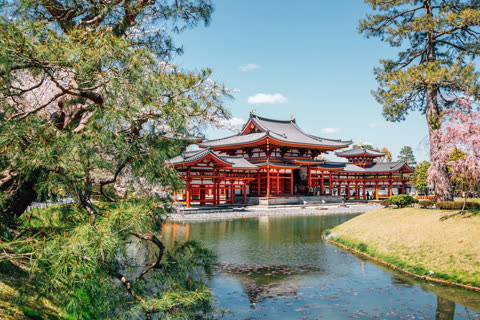
Step into the heart of traditional Japan in Kyoto, a city where centuries of history are woven into everyday life. Wander through the lantern-lit streets of Gion, discover hidden temples tucked between quiet residential neighborhoods, and experience the changing seasons in some of Japan's most beautiful gardens. From the endless torii gates of Fushimi Inari Taisha to the tranquil bamboo groves of Arashiyama Bamboo Grove, Kyoto offers a level of cultural immersion that few cities in the world can match. Throughout the year, Kyoto showcases traditions that have been preserved for over a thousand years. Experience the grandeur of Gion Matsuri, where towering festival floats handcrafted by local communities parade through the city in one of Japan's oldest celebrations. In summer, the mountains surrounding Kyoto glow with the giant bonfires of Gozan no Okuribi, creating a breathtaking farewell to the Obon season. During spring and autumn, the city's temples, shrines, and historic gardens become spectacular showcases of cherry blossoms and vibrant maple leaves, transforming Kyoto into one of Japan's most unforgettable destinations.

Kyoto is one of Japan’s great culinary destinations, with a food culture shaped by centuries of tradition, seasonality, and craftsmanship. As the imperial capital for more than a thousand years, Kyoto developed a distinctive cuisine that places great importance on fresh seasonal ingredients, delicate flavors, and thoughtful preparation. The city is especially famous for Kyo-ryori (京料理), traditional Kyoto cuisine that includes everything from elegant multi-course kaiseki to simple local dishes made with tofu and seasonal vegetables. Kyoto’s Buddhist heritage has also left its mark through shojin ryori, a plant-based cuisine originally prepared in temples, while the abundance of clear local water helped shape the city’s traditions of tofu making, sake brewing, and tea. But eating in Kyoto doesn’t have to mean formal dining. Explore Nishiki Market, pick up freshly made sweets from a neighborhood shop, enjoy a bowl of nishin soba, or discover the city’s surprisingly rich ramen scene. And of course, no visit to Kyoto would be complete without trying its famous matcha, whether served traditionally as tea or transformed into parfaits, cakes, ice cream, and countless other treats. From centuries-old restaurants to tiny family-run shops, Kyoto is a city where food offers another way to experience its history, culture, and changing seasons.
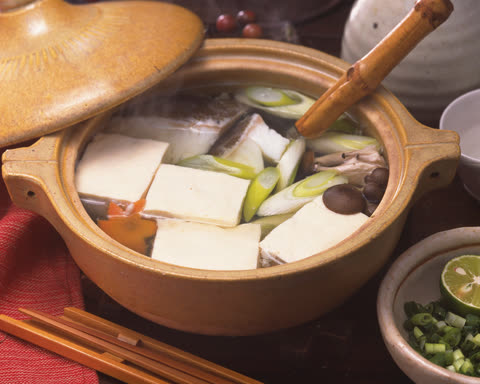
A Kyoto classic of soft tofu gently simmered in a light kombu broth, especially popular around the temple district of Nanzenji.
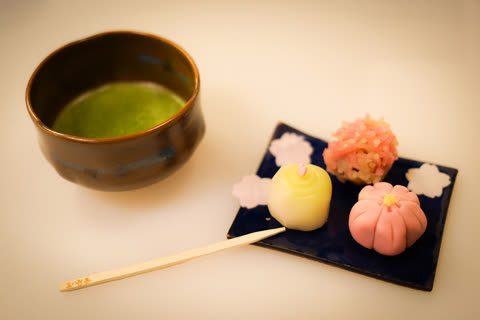
From parfaits and soft serve to cakes and traditional wagashi, Kyoto is one of the best places to experience Japan’s famous matcha culture.
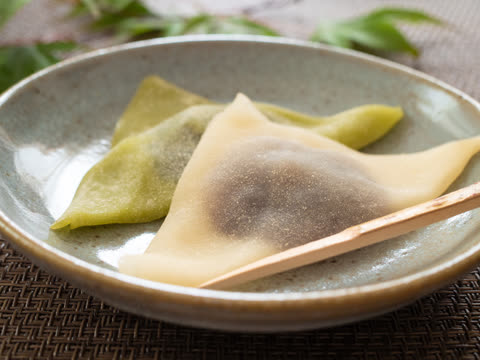
Kyoto’s iconic sweet made from rice flour and cinnamon, often filled with sweet red bean paste and enjoyed as a popular local souvenir.
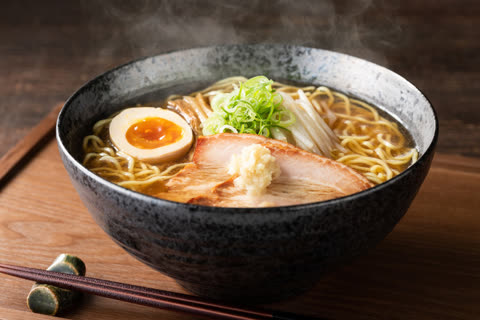
Discover Kyoto’s surprisingly rich ramen scene, known for flavorful broths ranging from soy-based classics to thick chicken paitan.
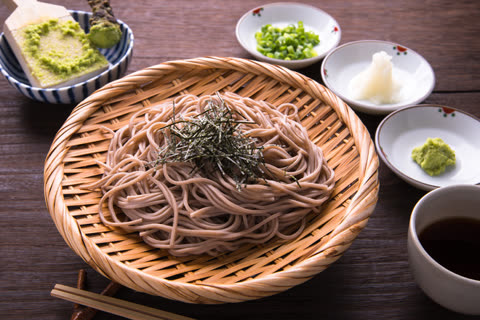
A traditional Kyoto noodle dish featuring warm buckwheat soba topped with sweet and savory simmered herring.
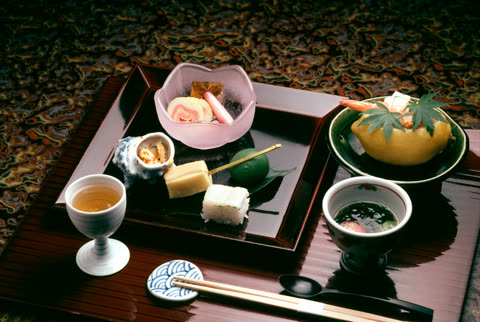
Kyoto’s refined multi-course cuisine celebrates seasonal ingredients through beautifully prepared dishes rooted in centuries of culinary tradition.
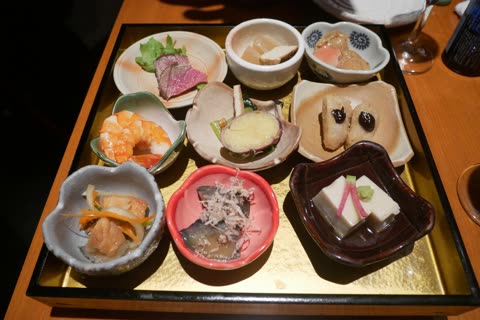
Kyoto-style home cooking made with seasonal vegetables, tofu, and other local ingredients, served as a variety of simple, comforting dishes.
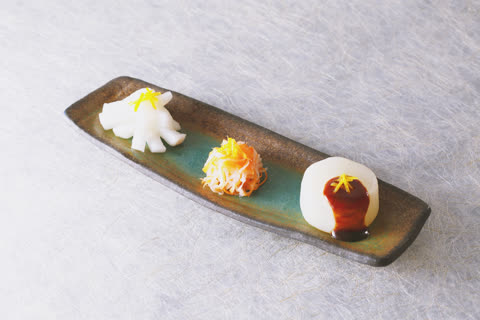
Kyoto’s traditional pickled vegetables come in countless varieties and are a staple of local cuisine, from crisp senmaizuke to shibazuke.
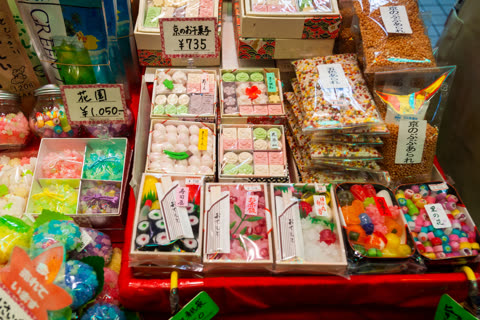
Explore the famous “Kitchen of Kyoto,” packed with small shops selling local snacks, seafood, pickles, sweets, and regional specialties.
Shopping in Kyoto is a mix of old and new. Alongside modern department stores and popular fashion brands, you'll find centuries-old craft shops, lively markets, independent boutiques, vintage stores, and small businesses selling products you might only find in Kyoto. Traditional ceramics, tea, incense, handmade stationery, kimono, sweets, and local crafts make the city particularly fun to explore if you're looking for something uniquely Japanese. From the busy shopping streets around Kawaramachi to the traditional shops of Gion and the food stalls of Nishiki Market, each area has its own character. You can spend the afternoon hunting for vintage clothes, discovering local designers, picking up unusual souvenirs, or simply wandering through Kyoto's covered shopping arcades.
Kyoto may be famous for its temples and traditional culture, but the city has a lively side once the sun goes down. Rather than huge entertainment districts, Kyoto's nightlife is concentrated around atmospheric streets filled with small bars, izakayas, live music venues, and late-night restaurants. The areas around Kiyamachi and Pontocho are particularly popular with students, locals, and international visitors, making them great places to meet people and practice your Japanese. Whether you prefer a quiet drink beside the Kamogawa River, karaoke with friends, or staying out until the early morning, Kyoto has plenty to discover after class.

Throughout the city, you can explore bamboo forests, mountain trails, lively neighborhoods, peaceful riversides, and some of Japan’s most famous cultural landmarks. Its compact size makes it easy to go from the city center to beautiful natural surroundings, while nearby destinations like Uji, Nara, Osaka, and Lake Biwa are perfect for day trips. Whether you're interested in Japanese history, photography, hiking, food, or simply discovering somewhere new, Kyoto gives international students plenty to explore during their stay.
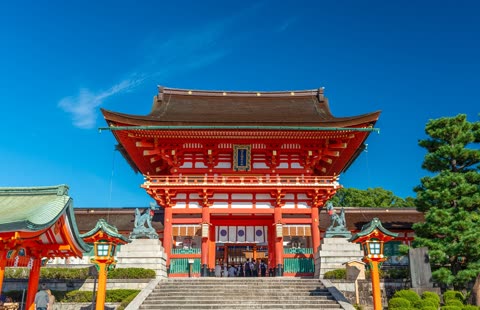
Walk through thousands of iconic red torii gates as they wind their way up the forested slopes of Mount Inari, with plenty of hidden shrines on the way.
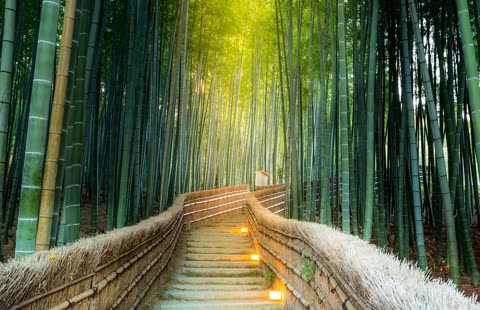
Explore Kyoto's famous bamboo grove, riverside scenery, temples, and surrounding mountains in one of the city's most beautiful areas.
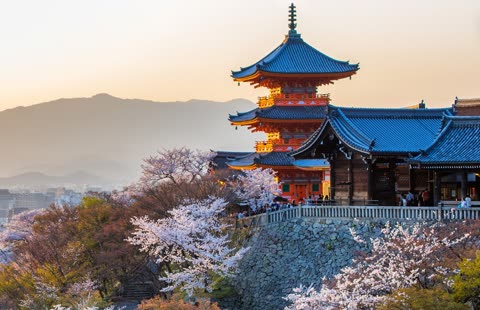
Discover one of Kyoto's most famous temples before wandering through the streets of Higashiyama, with traditional houses, cafés, and local shops.
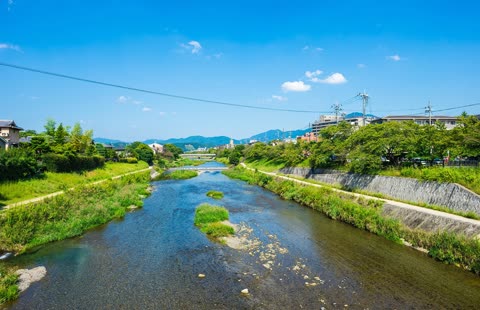
Relax along the banks of Kyoto's favorite river, a popular place for cycling, picnics, evening walks, and hanging out with friends after class.
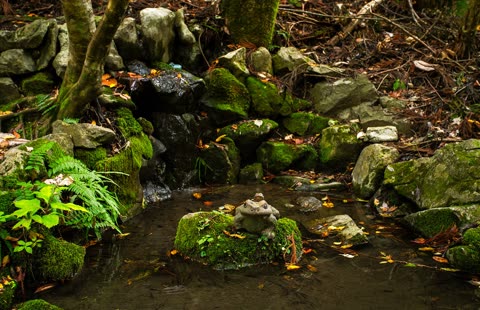
Escape into the mountains north of Kyoto for a scenic hike connecting small villages, with forest trails, temples, shrines, and hot springs.

Take a short trip to Japan's largest lake for beaches, cycling, water sports, hiking, and beautiful views just outside Kyoto.

One of Kyoto’s many advantages is its location. In less than 30 minutes by train, you can find yourself in the heart of Osaka, surrounded by neon lights, endless shopping, incredible street food, and some of Japan’s liveliest entertainment districts. Living in Kyoto lets you experience Japan’s cultural heart every day while having one of the country’s biggest and most exciting cities practically next door. For students, that means even more opportunities for weekend adventures, nightlife, shopping, and language practice. Spend your weekdays exploring Kyoto’s temples, cafés, and historic neighborhoods, then hop on a train to Osaka for takoyaki, shopping in Shinsaibashi, or a night out in Namba. And if you find yourself falling in love with Osaka too, why not experience both? With Meiji Academy, you can even move between our locations during your studies.
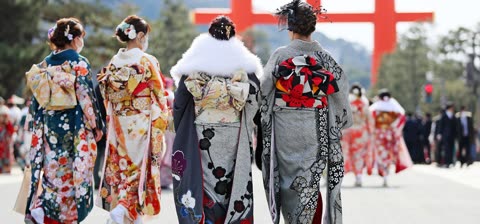
Join over a million visitors at Imamiya Ebisu Shrine to pray for business success and buy lucky decorated bamboo branches.
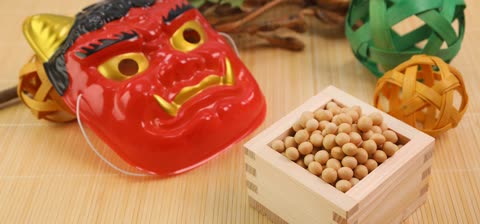
Kyoto's biggest Setsubun celebrations, where thousands gather around Yoshida Shrine for traditional ceremonies, food stalls, and the symbolic driving away of evil spirits.
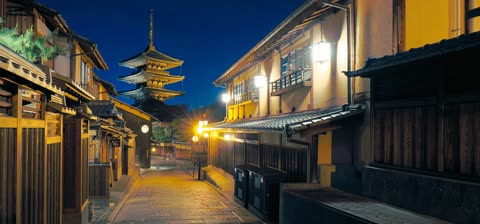
Explore Kyoto's historic Higashiyama district after dark during special temple openings and seasonal evening events.

Watch an elegant procession of hundreds dressed in traditional Heian-period clothing pass through the heart of Kyoto.
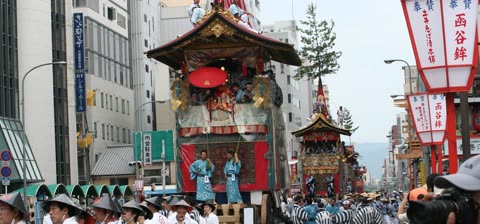
Experience Kyoto's biggest festival, with enormous traditional floats, street food, music, and celebrations throughout the city center.

Watch five enormous bonfires illuminate Kyoto's surrounding mountains to mark the end of the Obon season.
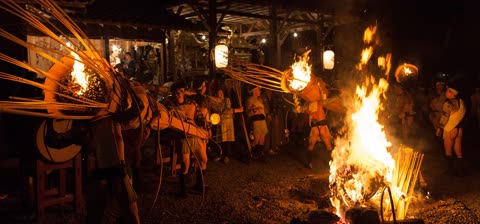
See enormous flaming torches carried through the mountain village of Kurama during one of Kyoto's most dramatic festivals.
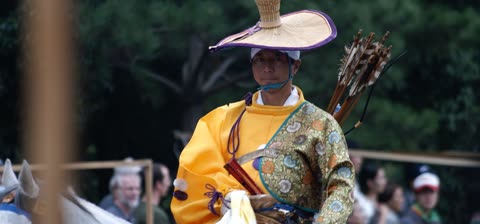
See over a thousand years of Kyoto history represented in a colorful procession of historical costumes through the city.
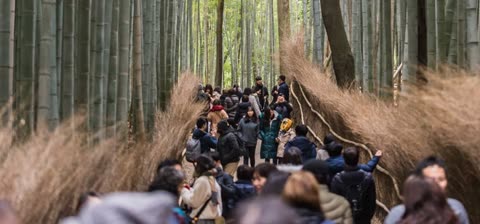
Watch traditional musicians and performers travel along the river against the colorful autumn mountains of Arashiyama.
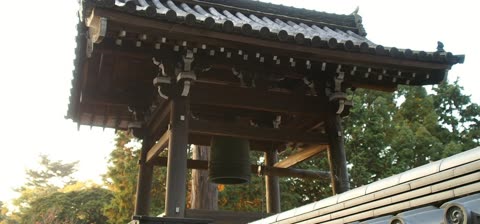
Welcome the New Year as Kyoto's temples ring their bells 108 times in one of Japan's most atmospheric traditions.

Kyoto might be best known for temples and traditional culture, but it's also a fantastic city for staying active. Surrounded by mountains and crossed by rivers, Kyoto makes it easy to go hiking, cycling, running, or even rafting without traveling far from the city center. Its strong university and martial arts culture also offers plenty of opportunities to experience a different side of Japanese sports.